Predictive Analytics in Campaigns: Forecasting Success with AI
Predictive Analytics in Campaigns: Forecasting Success with AI
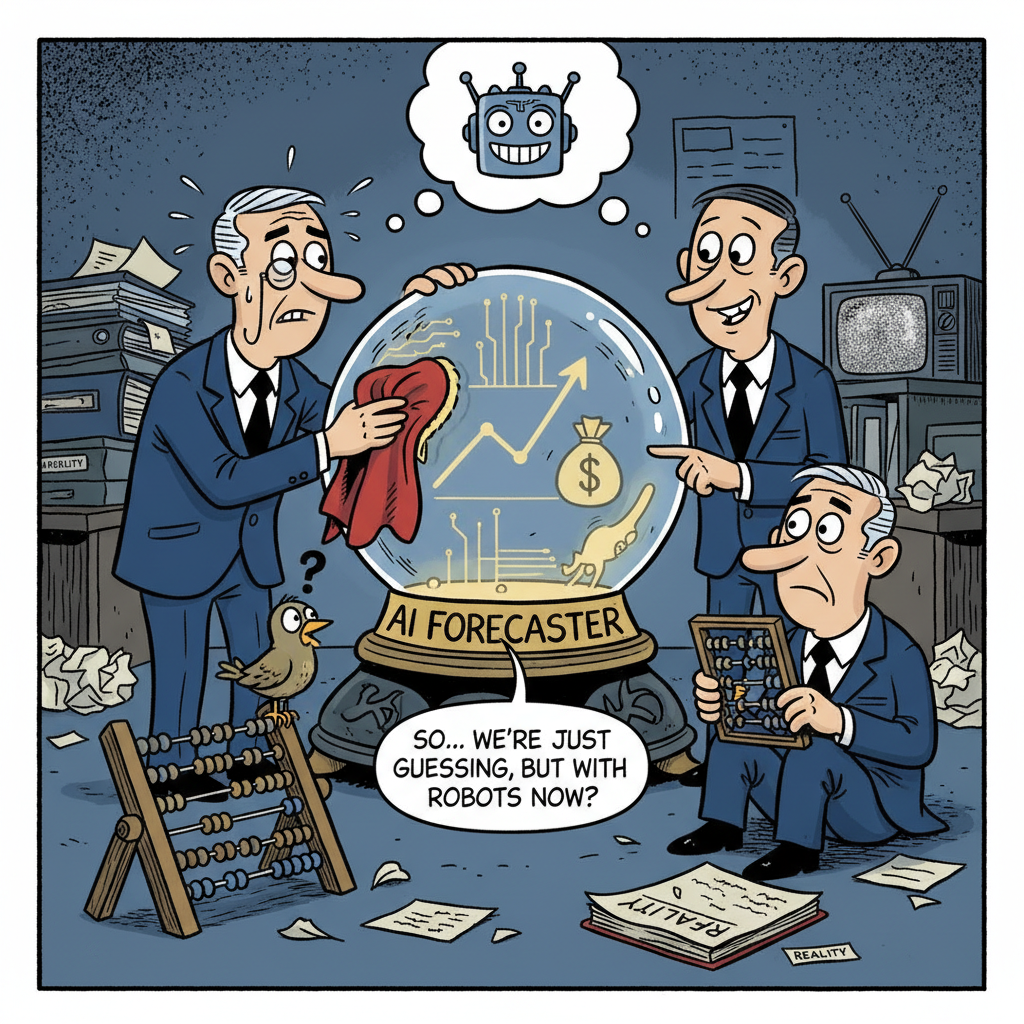
Imagine having a crystal ball that could show you which marketing campaign will resonate with your audience before you even launch it. Predictive analytics, powered by AI, is that crystal ball for modern marketers. It transforms historical data and emerging trends into reliable forecasts, allowing business owners, marketing directors, and operations leaders to plan campaigns with confidence and precision.
The Core Question: Can You Really Predict Success Before Launching a Campaign?
The implicit question many ask is, “How can I predict what will work before launching a campaign?” The answer lies in blending data science with creative insights. By leveraging historical campaign performance and AI-driven trend analysis, you can unearth hidden patterns and anticipate audience reactions with a higher degree of accuracy than ever before.
Understanding Predictive Analytics in Marketing
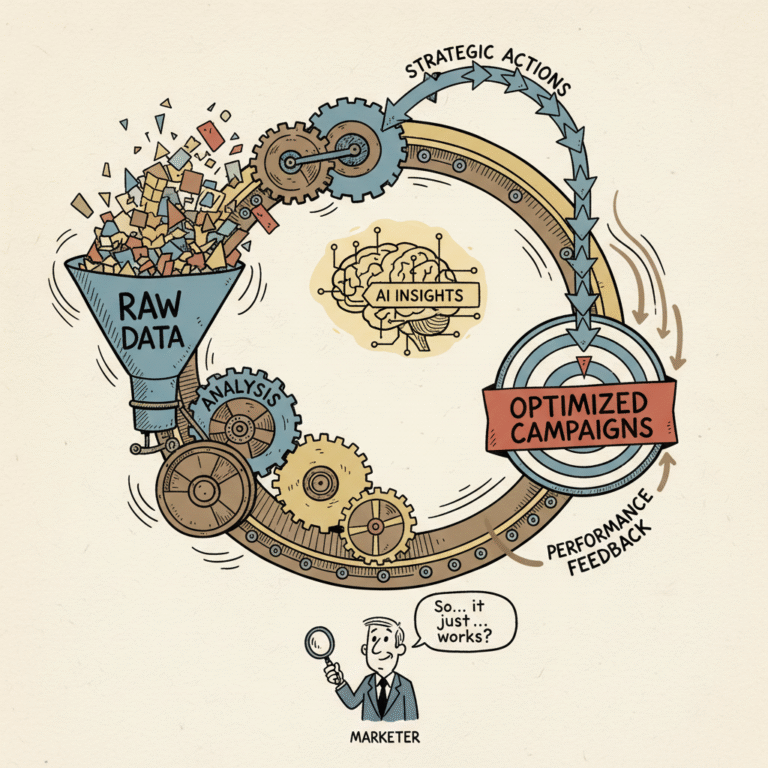
Predictive analytics involves the use of data, algorithms, and machine learning techniques to forecast future outcomes. In the context of marketing, it means analyzing past campaign data, consumer behavior, and market trends to determine which future strategies are likely to succeed. Unlike traditional methods that relied solely on intuition or broad market research, predictive analytics provides a more scientific and measured approach.
Real-World Logic and Examples
Consider a retail brand launching a seasonal campaign. Historically, their data may show that discount offers during certain weeks drive higher engagement. By using predictive analytics, marketers can combine historical data with current consumer sentiment data from social media or search trends to fine-tune the campaign timing, content, and even the nature of the discount. For instance, by analyzing data patterns, a leading retail company was able to predict a surge in interest for eco-friendly products months before the trend peaked. This insight allowed them to align their inventory and marketing initiatives accordingly, boosting both customer engagement and revenue.
Actionable Insights and Frameworks
If you’re keen to harness predictive analytics for your campaigns, consider the following actionable framework:
- Data Collection: Start by gathering historical campaign data, customer demographics, purchase behaviors, and online engagement metrics. Data is the backbone of predictive analytics.
- Data Cleaning and Preparation: Ensure the data is accurate, consistent, and free from noise. This step often involves filtering out irrelevant metrics and normalizing the data for easier analysis.
- Model Selection: Choose an appropriate AI model to analyze the data. Whether it’s a regression model for forecasting trends or a classification model for segmenting your audience, the right model can uncover valuable insights.
- Testing and Refinement: Test the model against historical data to evaluate its predictive accuracy. Continuously refine the model to adjust for new trends and data inputs.
- Implementation: Integrate the analytics into your campaign planning process. Utilize dashboards and visualization tools to monitor predictions in real time.
Short “Aha” Takeaways
One of the major “aha” insights is that predictive analytics isn’t about hiding behind complex algorithms – it’s about making informed decisions. It empowers marketers to see the underlying structure of audience behavior and market trends, turning guesswork into calculated risks. Real-world applications show that when the right data and models are combined, AI can significantly scale up the efficiency of marketing efforts.
Another important realization is that predictive analytics can cater to both micro and macro decisions. From identifying the best channels to allocate marketing budgets to tweaking creative content for higher engagement, this approach offers a comprehensive overview that transforms ambiguity into opportunity.
Integrating Automation and AI for Successful Campaigns
In today’s fast-paced market, the integration of automation tools with predictive analytics is a game changer. Agencies like MikeAutomated are at the forefront of this revolution, offering businesses scalable solutions that combine automation with advanced AI insights. By automating repetitive tasks such as data gathering and reporting, marketing teams can focus their efforts on strategy and creative innovation, thereby making the entire process more agile and responsive.
Embracing the Future of Marketing
As competition grows and market dynamics become increasingly complex, the advantage lies in early adoption of technology that illuminates the path forward. Predictive analytics in marketing is not just a trend—it is a fundamental shift toward data-driven decision making. The ability to foresee campaign outcomes and make adjustments in real time can lead to a significant competitive edge, transforming the way businesses engage with their target audiences.
Overcoming Challenges and Staying Ahead
Of course, no process is without challenges. Data quality issues, changing consumer behaviors, and the rapid pace of technological advancements can all complicate the predictive analytics journey. However, these challenges are also opportunities for refinement. Through continuous iteration and integration of the latest AI advancements, marketers can overcome these hurdles. Staying curious, investing in the right analytical tools, and partnering with forward-thinking agencies such as MikeAutomated ensures you remain at the cutting edge of campaign strategy.
A Final Reflection
In every campaign, there exists an element of risk. Yet, by implementing predictive analytics, you can systematically diminish this risk, turning it into a calculated investment for future success. The journey from data to decision-making is both an art and a science, and when executed effectively, it provides a clear, actionable roadmap for groundbreaking campaigns.
Ultimately, the shift from speculative guesswork to data-driven certainty marks a defining moment in the evolution of marketing. Embrace predictive analytics and watch as your campaigns not only forecast the future but, more importantly, create it.