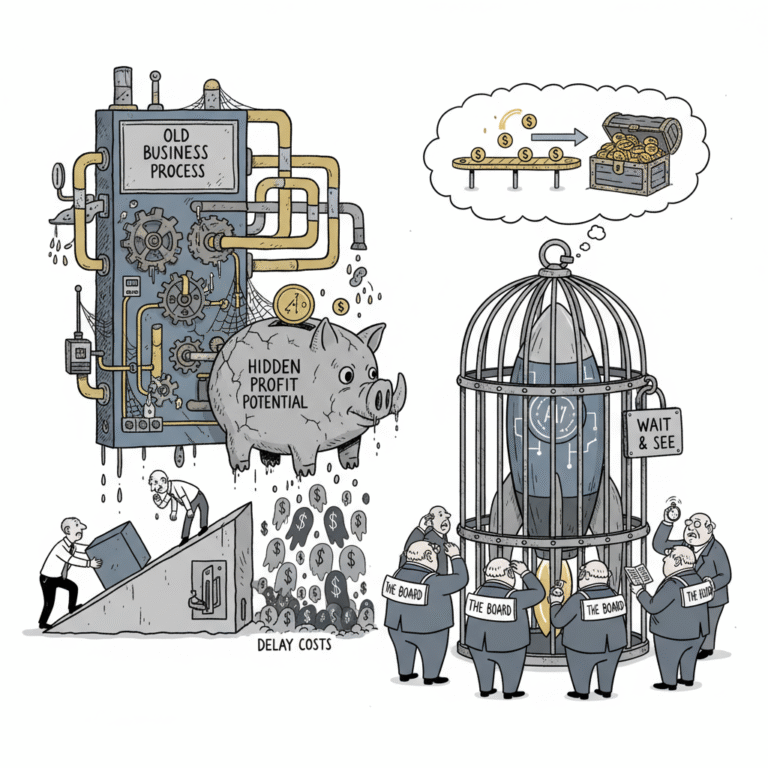
Mapping Workflows Before You Automate: Unlocking Strategic AI Readiness
Mapping Workflows Before You Automate: Unlocking Strategic AI Readiness
In today’s rapidly evolving digital landscape, the rush to incorporate AI and automation into business processes can often lead to hasty implementations without a clear roadmap. For business owners, marketing directors, and operations leaders, the core question remains: How do I prepare my business before adding AI? The answer is surprisingly simple yet often overlooked—start with comprehensive process mapping and workflow optimization.
Understanding the Importance of Process Mapping
Before diving headfirst into AI and automation, it is vital to understand your current business processes by thoroughly mapping them out. Think of your business as a complex machine, where each process is a cog. Without a clear diagram of how these cogs interact, it’s easy to introduce AI at the wrong juncture, leading to inefficiencies rather than streamlined operations.
Workflow automation is not merely about adding technology; it is a strategic investment in understanding and refining the steps that make up your value chain. By investing time in process mapping, you can:
- Identify bottlenecks and inefficiencies
- Clarify roles and responsibilities
- Uncover opportunities for standardization
- Prepare your business for a seamless AI integration
Real-World Examples: From Chaos to Clarity
Consider a mid-sized e-commerce company that experienced rapid growth. Initially, orders, customer service, and inventory management were handled manually, leading to errors and delays. Instead of immediately automating every aspect, the leadership first mapped out their entire workflow. They discovered redundant steps, ambiguous handoffs between teams, and overlooked manual tasks that could be standardized. With a clear picture in place, they selectively automated parts of the process, integrating AI systems to predict inventory needs and streamline customer inquiries. The result? Increased accuracy, better customer experience, and scalable growth.
Actionable Steps to Prepare for AI Implementation
So, what actionable steps should you take to prepare your business for AI? Here is a simple, yet powerful framework:
1. Conduct a Process Audit
Begin by documenting every process within your organization. Use visual tools like flowcharts and diagrams to break down tasks step by step. Engage with your teams; they are often the best source of insight on what’s working and what isn’t.
2. Identify Key Pain Points
Once the workflow is mapped out, pinpoint areas where inefficiencies persist. Ask yourself: Which steps cause repeated errors? Where are teams experiencing delays? These pain points are your prime candidates for automation.
3. Standardize Processes
Before introducing AI, ensure that your processes are standardized. A messy and inconsistent process can lead to unpredictable AI outcomes. This step not only prepares your business for smoother automation but also enhances overall operational efficiency.
4. Pilot Test with Reality in Mind
Deploy AI solutions on a small scale first. A pilot test can provide invaluable insights and help calibrate your automated systems against real-world scenarios. Learn from these tests, iterate, and then gradually scale up the implementation.
Leveraging AI with Process Mapping
When you map out your workflows, you’re essentially creating a blueprint for AI implementation. This blueprint serves as the foundation for selecting the most impactful processes to automate. Here are some benefits:
- Targeted Automation: Instead of a blanket approach, you can prioritize tasks where AI will add the highest value.
- Cost Efficiency: By focusing on problem areas, you avoid unnecessary spending on automating already efficient processes.
- Reduced Risk: A clear process map minimizes the risk of disruption when rolling out new technologies.
Integrating AI Tools with Strategic Insight
At MikeAutomated, we help businesses navigate these complex challenges. Our approach starts with a thorough examination of your existing workflows and identifying precise opportunities where AI can drive substantial improvements. We combine theoretical frameworks with practical, real-world examples, ensuring that every automation initiative is backed by data and strategic insight.
Imagine a scenario where your marketing team is flooded with leads from various channels. Without a clear workflow, these leads can quickly become unmanageable. However, with detailed process mapping, you can integrate AI-driven tools that automatically qualify, score, and route leads to the appropriate teams. The result is a transformed, efficient process that not only saves time but also increases conversion rates.
The Mental Model: Building a Roadmap to Success
Think of process mapping as both a diagnostic tool and a roadmap. Similar to a doctor who conducts a complete diagnosis before prescribing treatment, a well-mapped workflow allows you to understand the ‘health’ of your business processes. Once you have this diagnosis, you can then implement AI and automation as your targeted treatment, ensuring long-term vitality and operational excellence.
Short “Aha” Takeaways
- Before automating, visualize your processes as a blueprint—know every detail to avoid unexpected pitfalls.
- Start small: Pilot tests can reveal key insights that prevent time-consuming mistakes later on.
- Leverage process mapping not as a one-time task but as a dynamic tool that evolves with your business.
- Work with experts like MikeAutomated to ensure your AI journey starts on the right foundation—data-driven insights and strategic planning.
Final Reflections
Mapping workflows before implementing AI is not just about creating efficiency—it’s about strategic transformation. It shifts the conversation from reactive, cost-driven automation to proactive, intelligent business growth. By understanding and refining your processes, you not only prepare for AI but also unlock the potential for future innovation and scalability.
Your AI readiness starts with clarity. As you map your current state and identify key areas for improvement, you lay a robust foundation for a future powered by smart automation. Remember, AI should serve as a tool to elevate your business, not a magic fix. With the right strategy, the transition from manual to automated processes can be both smooth and highly beneficial.
Embrace the journey of process mapping to uncover hidden opportunities—transform chaos into clarity and pave the way for sustainable growth. The investment you make in understanding your workflows today will determine the success of your AI implementations tomorrow.